Egypt's NCHR Calls for Stronger African Oversight to Combat Corruption and Protect Rights
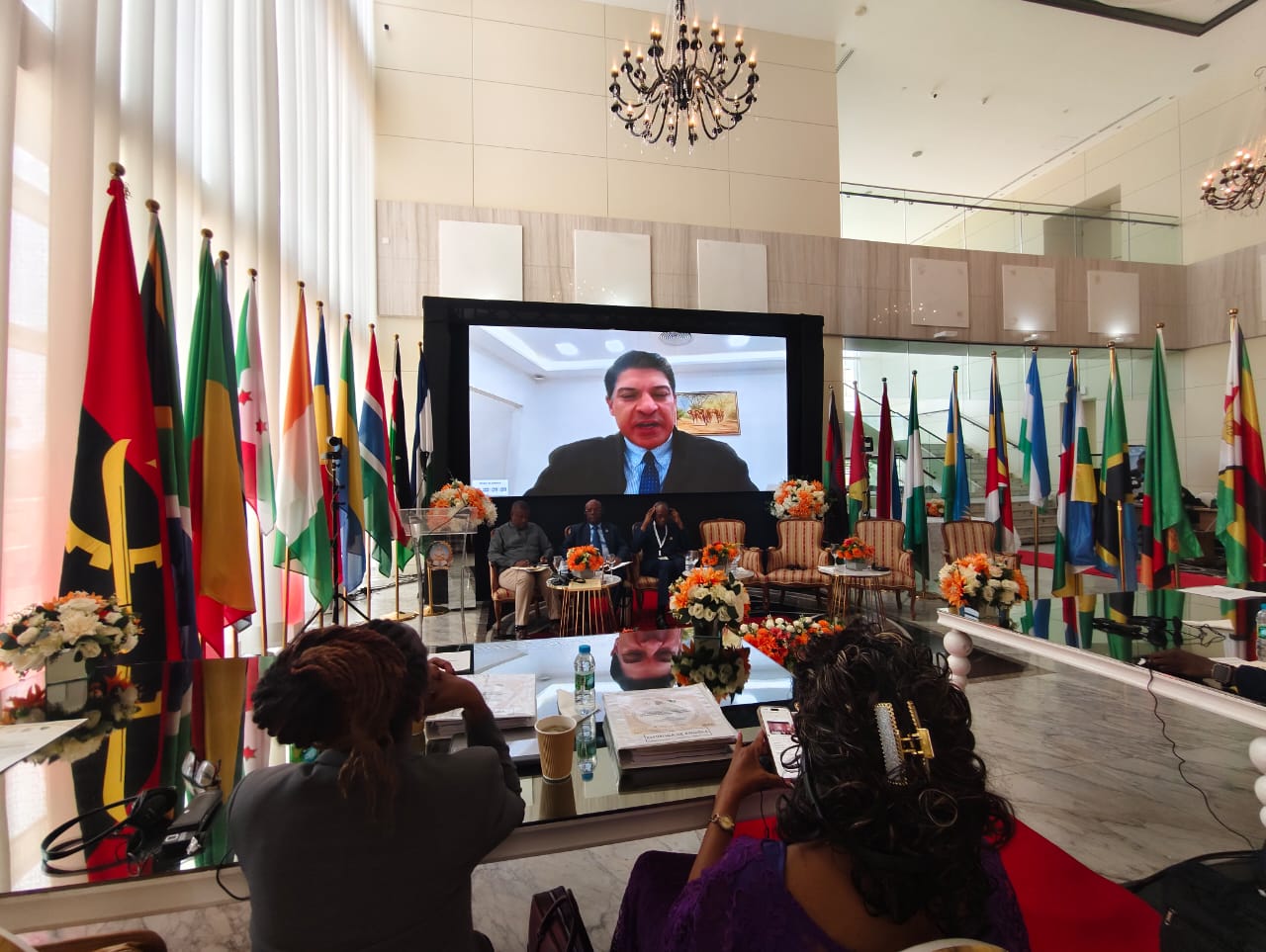
Egypt's National Council for Human Rights (NCHR) has called for independent oversight institutions across Africa to be given greater powers and resources to tackle corruption and protect vulnerable communities, as the continent's ombudsmen gathered in Angola in the eighth General Conference and General Assembly of the African Ombudsman and Mediators Association (AOMA) to discuss the future of public accountability.
Speaking at the eighth conference of the African Ombudsman and Mediators Association in Luanda, Dr. Hany Ibrahim, Secretary General of the National Council for Human Rights, argued that transparent management of public resources was not simply a matter of good administration but a fundamental human rights issue affecting access to services, the rule of law and public trust in government.
The gathering brought together 23 institutions from across the continent to examine how oversight bodies can better safeguard citizens against the misuse of public funds and ensure equitable distribution of resources. Dr. Hany Ibrahim’s keynote address drew on Egypt's experience since establishing its national human rights council in 2003, an institution comprising 27 members tasked with receiving complaints, monitoring violations and advising authorities on reforms.
The council's work, Dr. Hany Ibrahim told delegates, spans four main areas: field monitoring through mobile teams that inspect facilities from hospitals to detention centres; reviewing legislation affecting human rights and public services; public awareness campaigns to empower citizens; and independent reporting to regional and international bodies. These mechanisms, he said, formed part of a system of checks and balances designed to ensure public resources were managed fairly and in line with human rights standards.
Looking ahead, the NCHR’s Secretary-General outlined what he described as essential principles for strengthening transparency: guaranteeing the independence and adequate funding of national human rights institutions; creating accessible complaint mechanisms; embedding human rights standards in governance of public resources; promoting public awareness; and deepening cooperation across the continent.
The conference, opened by Forbilla Rocha, focused on improving transparency, efficiency and sustainability in African governance. Delegates reaffirmed their commitment to the African Union's frameworks on good governance, including the African charter on human and peoples' rights and the AU convention on combating corruption.
NCHR Secretary-General’s intervention underscored the growing recognition among African oversight bodies that human rights protection and public accountability must advance together if citizens are to see tangible improvements in how their governments manage national resources and deliver essential services.
 English
 Arabic
 French
 Web Accessibility Toolbar