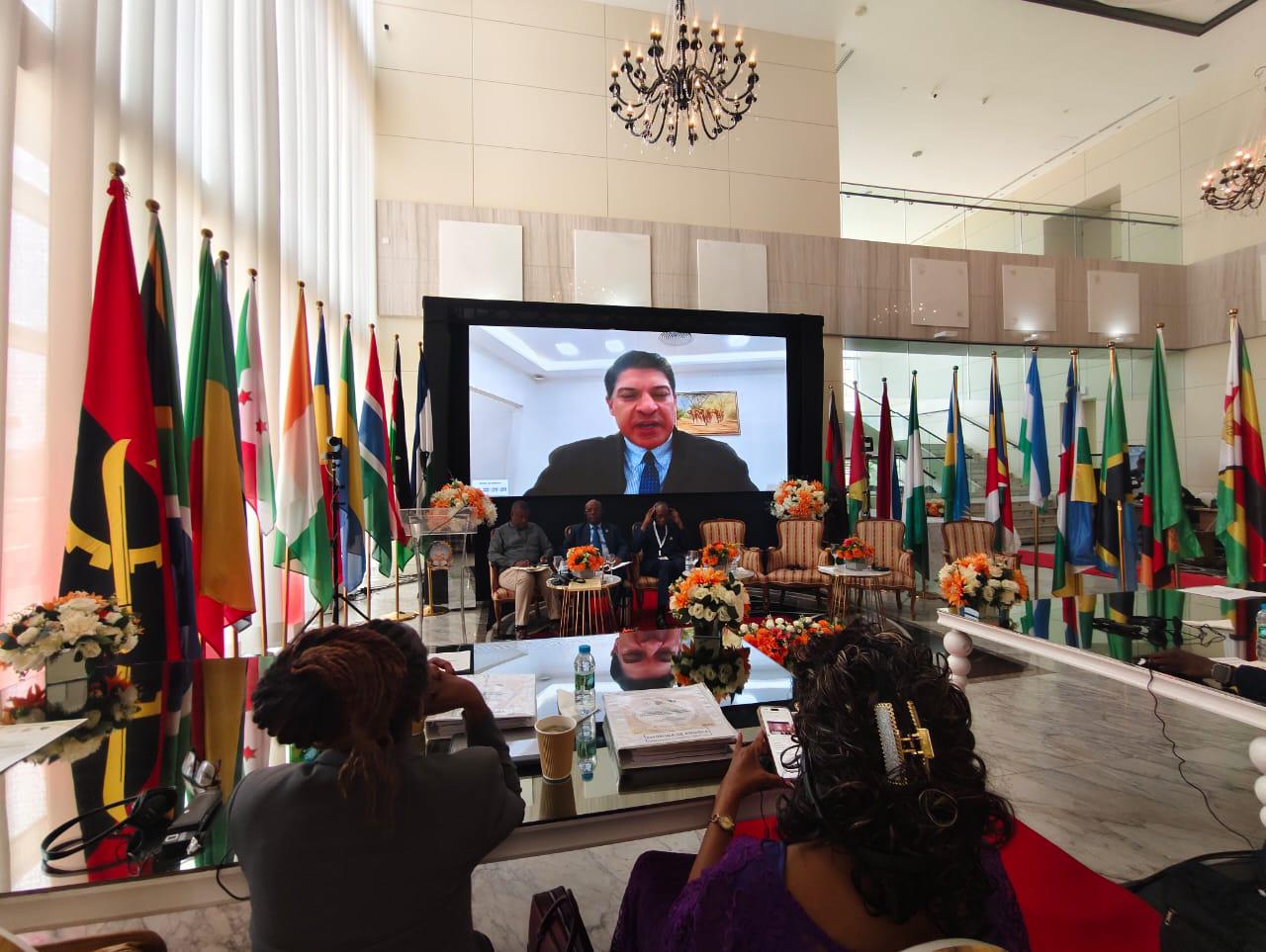
Egyptian national human rights institution wins key role in African Ombudsman and Mediators Association
Egypt's National Council for Human Rights has secured a strategic position within the African Ombudsman and Mediators Association, extending Cairo's influence across North Africa's human rights architecture.
The council won the role of regional coordinator for North Africa with backing from five of the six countries in its constituency, which includes Tunisia, Sudan, Mauritania, Libya, Djibouti and Egypt. The appointment marks what officials describe as a restoration of Egypt's institutional footprint in African human rights forums after a period of diminished engagement.
Support came from ombudsman offices in Djibouti, Mauritania, Tunisia and Sudan, according to a statement from the council, which acknowledged their backing in securing the post.
The position places the Egyptian NCHR at the centre of efforts to coordinate human rights mechanisms across a region facing profound governance challenges. North Africa has struggled with political instability, authoritarian crackdowns and migrant rights abuses in recent years, testing the capacity of national institutions to hold governments accountable.
The African Ombudsman and Mediators Association, established in 2002 following meetings in Namibia, now encompasses institutions from more than 41 countries. Its stated mission centres on strengthening independent oversight bodies to advance good governance, rule of law and human rights protections across the continent.
Member institutions commit to principles including independence, neutrality and transparency – standards that advocacy groups say are frequently undermined by political interference and limited resources in practice.
The Egyptian council pledged to work towards enhanced regional cooperation and institutional capacity-building, though observers note that Egypt's own human rights record remains contested, with persistent concerns over detention conditions, restrictions on civil society and limits on freedom of expression.
Regional coordinators within the association contribute to governance structures and help drive implementation of organisational objectives, positioning them to shape priorities and resource allocation across their territories.
The appointment comes as African nations face pressure to strengthen accountability mechanisms amid growing scrutiny of governance failures and rights violations across the continent.
 English
 Arabic
 French